Key takeaways
- Demand, supply and a stable price band. A card needs all three to be worth a filter.
- Meta golds are the reliable earner: affordable, always wanted, listed constantly.
- Fodder margins are small per card, but the volume is enormous when an SBC lands.
- Icons pay the most per snipe and appear the least, so they suit a rotation rather than a session.
- Extinct cards are a hold, not a flip. Buy them pinned at the top of their range and wait for EA to lift it.
Search for the best cards to snipe and you will find lists of player names written weeks ago, for a market that has moved several times since. The names are useless by the time you read them. The categories they came from are not.
There are four types of card worth a saved filter in FC 27, and one that is worth a filter only if you treat it as a side bet.
What makes a card worth sniping
Before any list, the test. A card is worth your time when all three of these are true:
- Steady demand. Somebody is always looking to buy it, so you can sell it again quickly.
- Steady supply. Copies are listed often enough that one will eventually be listed far below its value by mistake. No listings means no snipe, however much you want the card.
- A price band, not a spike. You know exactly what the card is worth. If the price moved 30% today, you are gambling, not sniping.
Two out of three is not enough. A card with demand and no supply is extinct. A card with supply and no demand is fodder nobody needs this week.
1. Meta golds
Fast, popular, affordable attackers and full backs. The cards that appear in half the teams you play against.
Why they work: they hit all three tests harder than anything else. Enormous demand from players building teams, constant supply from packs, and a price band that barely moves outside of promos.
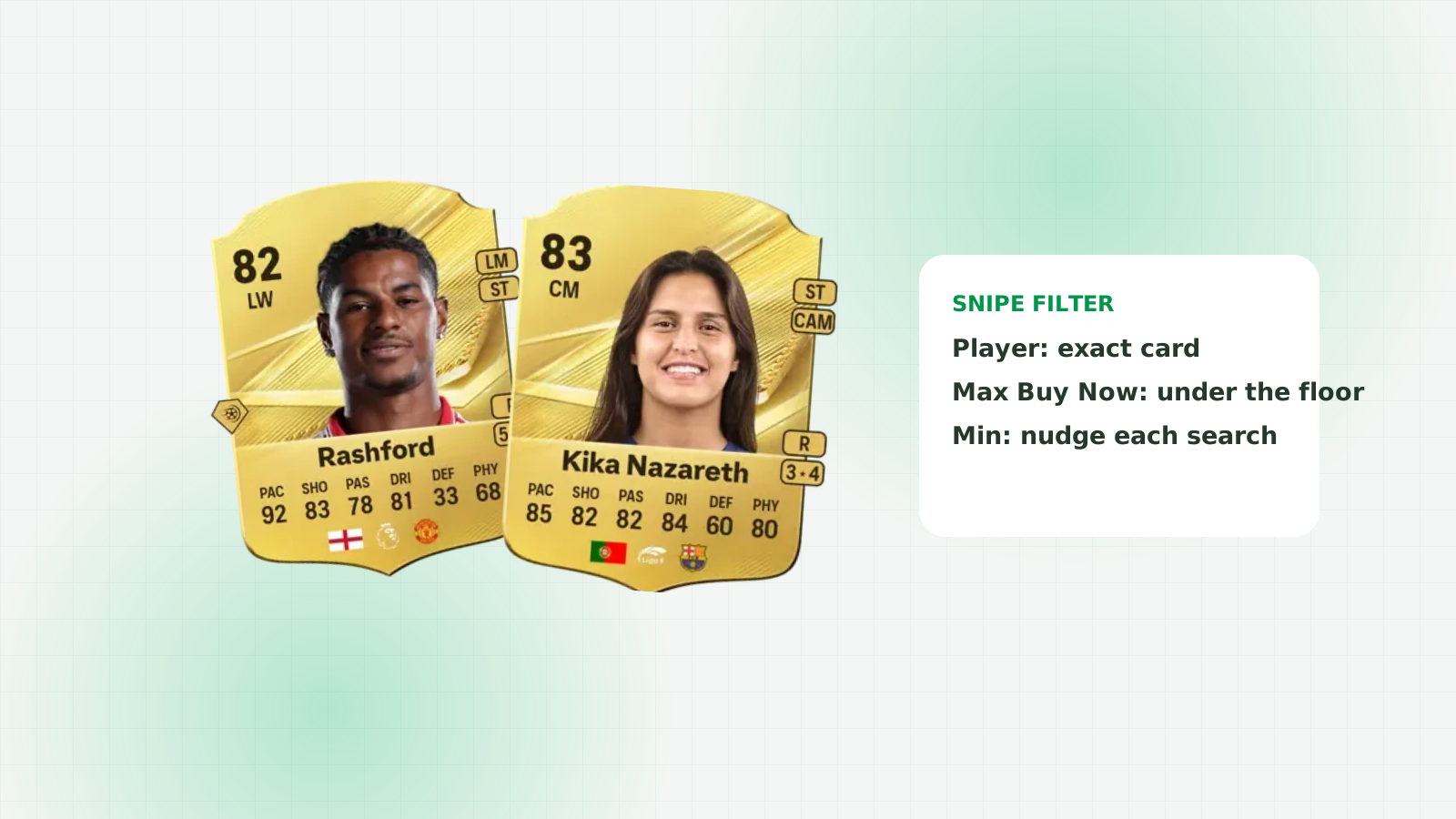
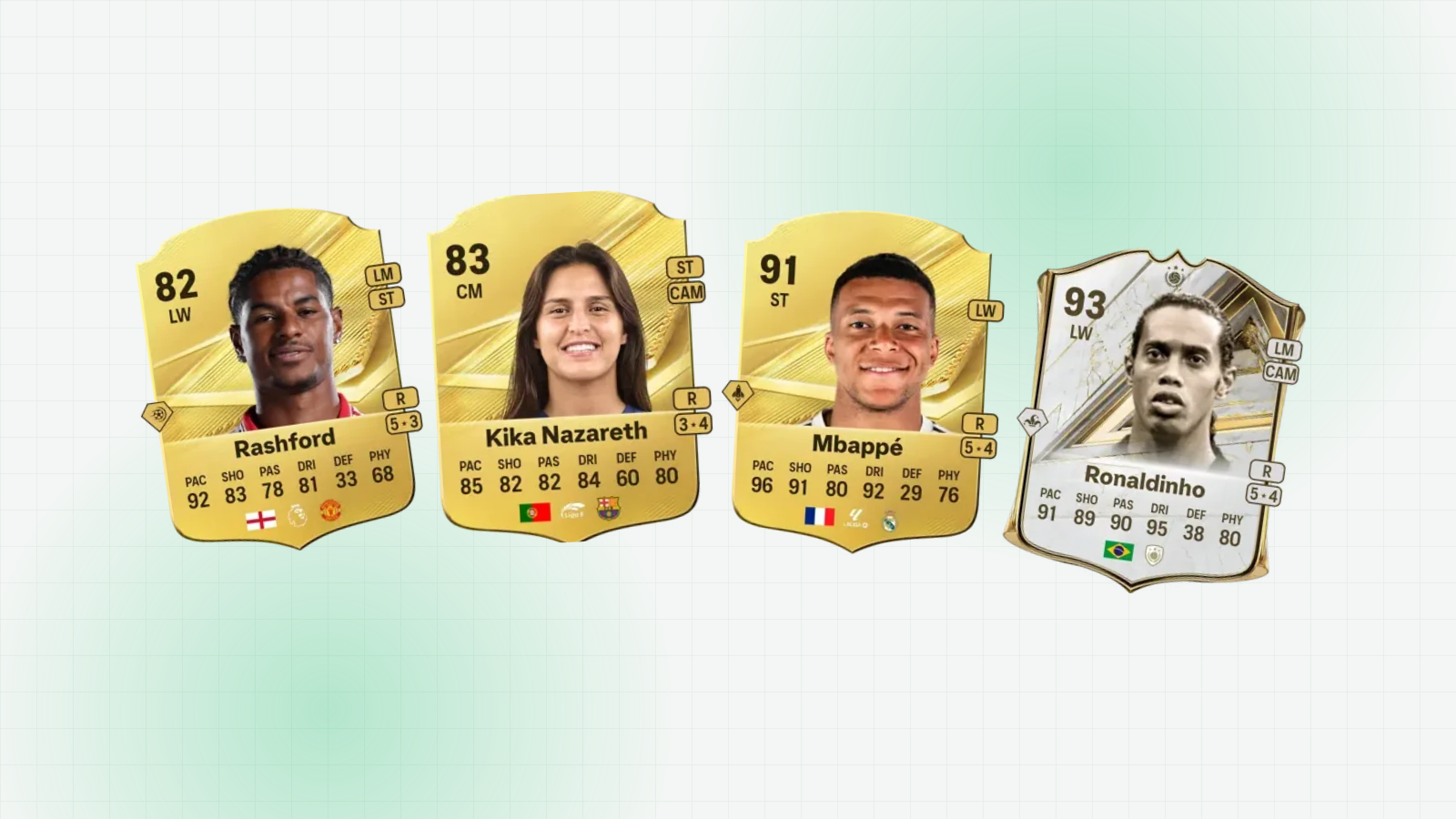
The filter: player name, Max Buy Now 10% to 15% under the going rate, minimum nudged one step between searches. Rashford and Kika Nazareth are two current examples, and we wrote a full guide to sniping both.
Margin: modest per card, but you will buy more of these than anything else.
2. SBC fodder
Rated 83 to 86 golds, especially from big leagues, plus whatever nation or league a live SBC is asking for.
Why they work: demand arrives on a schedule. When a marquee SBC drops, thousands of people need the same rating band in the same hour, and the price jumps.
The filter: quality Gold, rare, with a rating range rather than a player name, and a Max Buy Now a little under the usual fodder price. This is the one case where a wide filter beats a narrow one.
Margin: small per card, big in volume. Read the fodder guide before you tie up coins in it.
3. Icons and heroes
The cards everyone wants and few people sell cheaply.
Why they work: when a mistake happens on an icon, the mistake is worth tens of thousands of coins rather than hundreds. One snipe can pay for an evening.
Why they are hard: supply is thin. You can search for an hour and see nothing at all, because there is nothing to see.
The filter: a saved filter per icon you can afford, rotated with your other filters so you are not spending a whole session on a card that might not be listed.
4. Promo cards
The special cards from whatever promo is live, in the days when packs are still being opened in bulk.
Why they work: release day floods the market and cards get listed at the wrong price while the market is still settling.
Why they are risky: the market price itself is moving. Price check at the start of every session, not once a week, and expect the number to be lower each day early in a promo.
The filter: player name, price checked that hour, and a tighter margin than usual because the market underneath you is moving.
5. Extinct cards, which are a hold and not a flip
Extinct cards pass the demand test and fail the supply test, which is what extinct means. Treat one as a card to snipe and resell the same evening and you will get nowhere, because there is nothing to resell into.
Treat it as a hold and it becomes one of the better plays in the game. A card goes extinct when it is pinned at the top of its price range: people would pay more and the market will not let them. When EA lifts that range, the price can climb hard, and whoever bought at the old ceiling is holding the gain.
Two live examples as of 21 September 2026. Rashford sits around 30,000 coins with barely a copy listed, while a comparable left-sided attacker in Barcola sits near 100,000. Kika Nazareth is around 10,000, which looks cheap next to what cards of her profile have been worth in previous games. We go through both properly in sniping Rashford and Kika.
The catch is your coins. They are locked in the card until the range moves, which can take weeks and is not promised. Hold with coins you do not need, and expect the day the range updates to be messy: everyone sells at once, the market floods, and the price dips before it settles. Either undercut hard and take your sale, or sit through the flood and wait for the bounce once the sellers have cleared out. Picking one in advance is the whole skill.
Our guide to sniping extinct players covers how to set a price when there is no price data to work from.
Build a rotation, not a list
The mistake most people make is picking one card and grinding it for an hour. If the price band on that card is quiet, you have wasted the hour.
A better approach is three or four saved filters covering different types: one meta gold, one fodder band, one icon you could afford, and the current promo card. Rotate between them so you are always searching something with supply. Keep one slot for a pinned card you are happy to hold, because those are the ones that pay for the month rather than the evening.
Rotating by hand means rebuilding a search every few minutes, which is exactly where people give up. FC AutoBuyer holds your saved filters and switches between them automatically every set number of searches, buying anything at or under the price you set for each. It also enforces the limits you set, so a rotation that runs for an hour cannot quietly spend more than you intended.
FAQs
Meta golds give the most consistent return because demand and supply are both high. SBC fodder pays well around content drops, icons pay the most per snipe but appear rarely, and promo cards work best in the first days of a promo.
Several. A rotation of three or four saved filters keeps you searching cards that are actually being listed, instead of grinding one quiet filter for an hour.
Search it in the Web App with no maximum price and look at the cheapest listings. That is the going rate. Price sites are useful for history, but the market in front of you is the number that matters.
Around big SBCs, yes. Margins per card are small, so it only pays if you can buy several, which is why it suits a rating-range filter rather than a single player name.
As a hold, yes, if you can afford to have the coins tied up. A card pinned at the top of its price range can climb when EA lifts that range. As a same day flip, no, because there is no supply to sell into.
Everyone holding sells at once, so the market floods and prices dip. Either undercut hard to get your sale straight away, or hold through the flood and wait for the bounce once sellers have cleared out. Decide which before the update lands.
Almost always because the Max Buy Now is under what anyone is listing at. Re-check the going rate and move your price up a little, or switch to a card with more copies on the market.